Litigate and License: How the Majors Are Playing the AI Game
Sue the platforms with one hand, sign them with the other. The Blueprint decoded the labels' dual strategy a year ago — and predicted the dependency trap independent producers are sitting in right now.

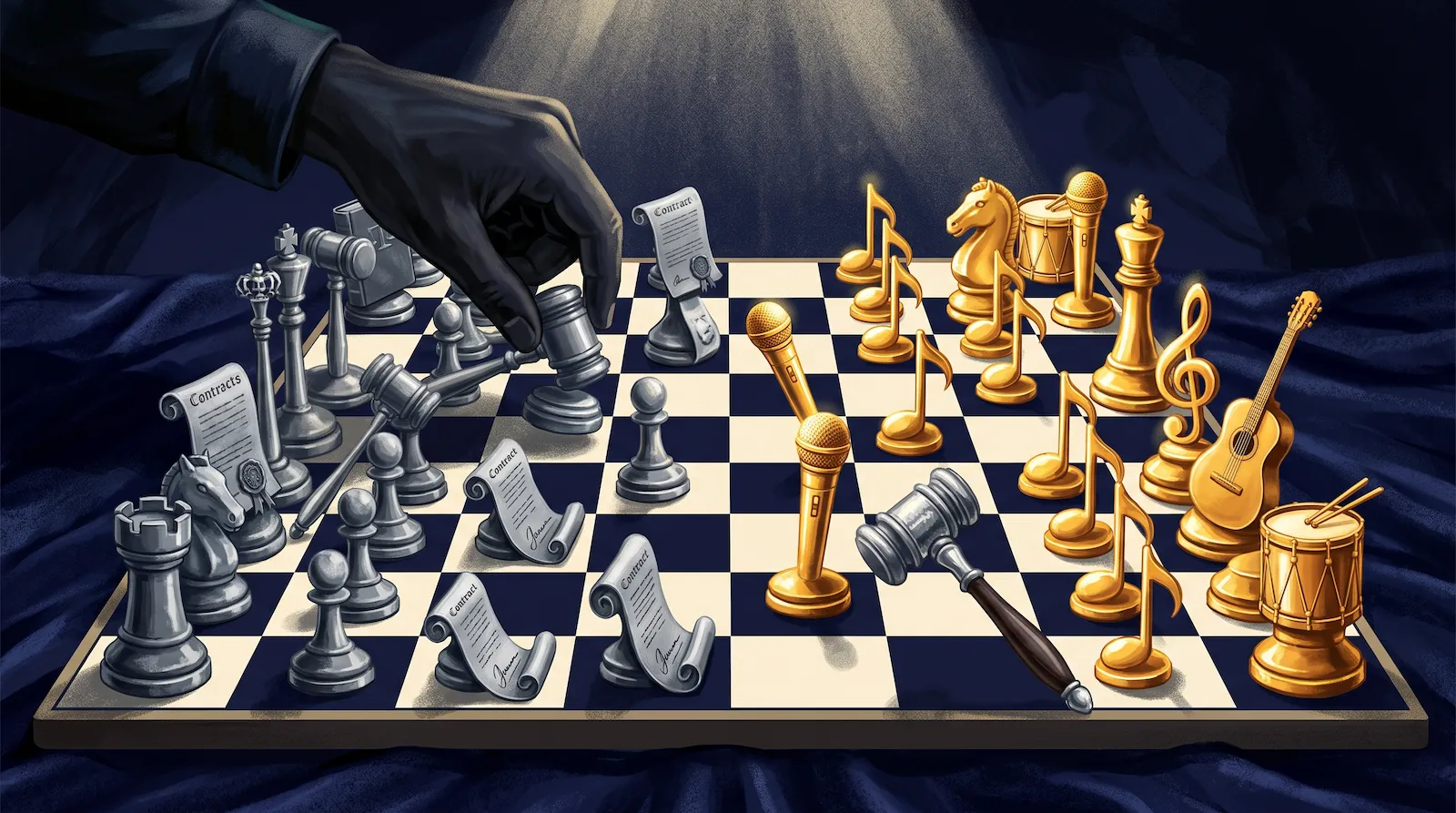
While independent producers spent the year arguing about whether AI music was good, the major labels quietly executed a strategy. The Blueprint named it in two words: litigate and license.
Litigation: the majors filed high-profile copyright suits against the leading generation platforms, alleging infringement in the training data — a legal siege on the foundations of the generative systems themselves. Licensing: the same companies simultaneously struck partnership deals with AI startups — the report cited Universal partnering with Udio and Warner with Klay — to build “ethically trained” models on licensed catalogs. Sue the unlicensed version of the future while manufacturing the licensed one. It is not hypocrisy; it is the oldest major-label play in the book: litigation as a negotiation tactic, and lawsuits as the price-discovery mechanism for the licensing deals that inevitably follow.
And one year on, the endgame has a date. On its August 2026 earnings call, Warner told investors its licensing deals with AI firms — Suno, Stability AI, KLAY, and Udio among them — will contribute materially to subscription revenue growth starting in its fiscal 2027, which begins this October. The litigate-and-license play the Blueprint decoded is now a guided revenue line: the money starts flowing this fall →. And the strategy is propagating downstream — the Merlin–Spotify agreement → extends licensed, opt-in AI frameworks to the independent sector for the first time, on the derivative side. Price discovery is ending; the price list is being printed.
The prediction that mattered
Buried in that chapter was the Blueprint’s most practically important warning for independents: platform-dependency risk. If your workflow relies on a generation platform whose training data is under legal attack, your output inherits that legal uncertainty — takedown exposure, terms-of-service whiplash, and policy shifts you don’t control. The report’s hedge was specific: use AI for ideation and composition, but ensure the final master stands as original, transformative, human-anchored IP; prefer ethically trained models where machine material is retained at all.
One year later, grade that warning. The dependency risk didn’t arrive as takedowns from losing lawsuits — it arrived as policy infrastructure from settling ones. The watermark era is what litigate-and-license produced: platforms fingerprinting their own output, distributors gating uploads with disclosure interrogations, streaming services purging generated inventory by the tens of millions, and download policies limiting mass export to streaming. Producers who built their catalogs on unhedged platform dependence woke up trapped inside someone else’s compliance regime. Producers who took the Blueprint’s hedge — machine as sketch, human as master — woke up unaffected. The report didn’t predict the exact mechanism. It predicted the exposure — which is the only prediction that pays.
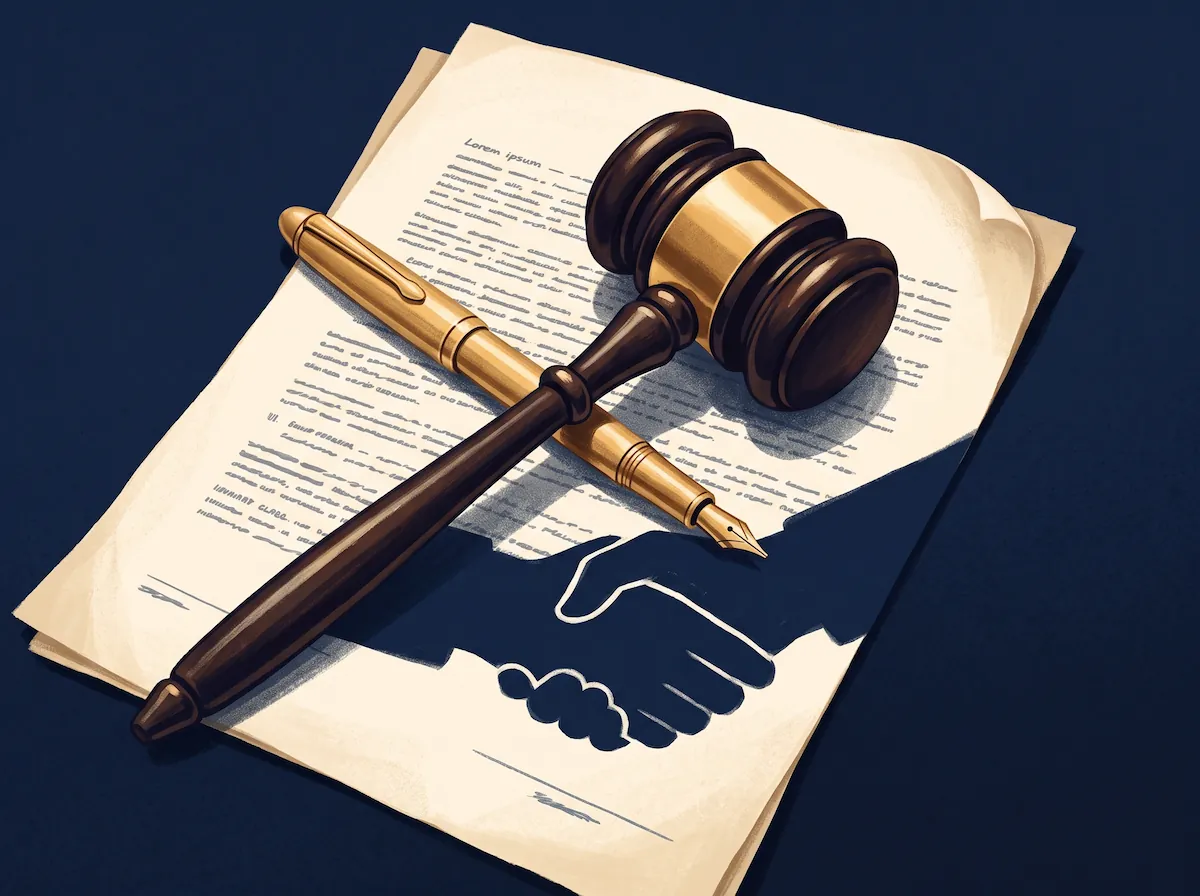
What the endgame means for you
Follow the strategy to its conclusion. The majors aren’t trying to kill generative music — they’re trying to own the licensed version of it. The end state is a two-tier generative landscape: label-sanctioned models trained on cleared catalogs, wrapped in provenance and marking, versus everything else, watermarked and policy-restricted. In both tiers, the infrastructure being built is the same: identification, disclosure, provenance. The entire chessboard — lawsuits, partnerships, watermarks, labels — converges on a market where what a record is made of is machine-readable fact.
Which means the independent’s counter-strategy hasn’t changed since the Blueprint wrote it; it’s only gotten more urgent. You cannot out-litigate the majors and you cannot out-license them. What you can do is hold the one position their entire strategy accidentally strengthens: the fully human-performed, fully documented record — the asset that passes every scanner both tiers are building, owes no platform anything, and gets more legible as premium every time the enforcement net tightens. They’re spending billions building machines that certify your work by exclusion. Let them.