Mixing Yourself Without Lying to Yourself
The hardest mix engineer to work with is the one who also wrote, sang, and produced the record. A working framework for the psychological problem underneath every self-mixed track.

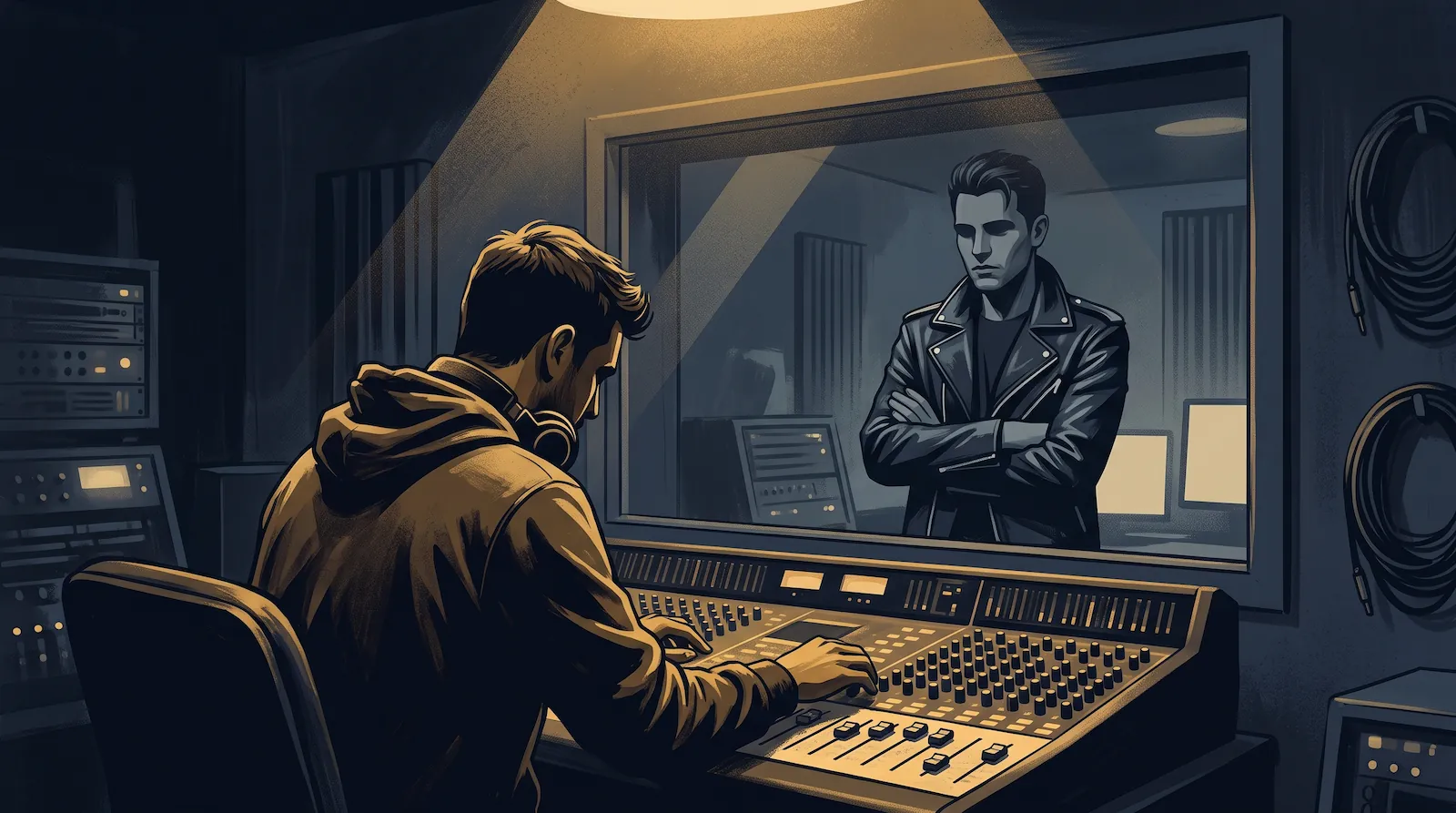
Every full-stack producer eventually meets the real enemy of the self-mixed record, and it isn’t gear, room acoustics, or technique. It’s that the person at the console is emotionally compromised. You heard the song in your head before it existed; you know how hard the vocal was to get; you remember which take almost broke you. The mix engineer’s job is to hear what’s actually there — and you are the one listener on earth who can’t. Self-mixing bias isn’t a character flaw. It’s a structural condition. So treat it structurally: don’t try to be objective; build a system that doesn’t require you to be.
The framework: five separations
1. Separate the roles in time. Never mix on writing day, and ideally not on tracking day. The artist and the engineer need to be different people, and since they share your skull, the only wall available is the calendar. Even twenty-four hours converts “my performance” into “this material” — the beginning of honest ears.
2. Separate the reference from the memory. Your imagined version of the record is the bias. Replace it with external anchors: two or three commercial reference tracks in the session from minute one, level-matched, one keystroke away. The question is never “does this sound like I hoped” — it’s “does this sit in the world where it will be judged.” References are the adversarial witness your mix needs and your memory will never be.
3. Separate loudness from judgment. Louder always sounds better, and you control the volume knob — a rigged court. Gain-match every comparison: plugin on versus off at equal loudness, your mix versus reference at equal loudness. Most self-mix delusions cannot survive matched levels; most only exist because they never faced them.
4. Separate the first hour from the rest. Your ears are only honest before fatigue and familiarity set in — so spend the first pass of every session on the decisions that matter most (balances, the vocal, the low end), not on detail work. The fiftieth consecutive listen is worthless testimony; structure sessions so the important verdicts come from the first five.
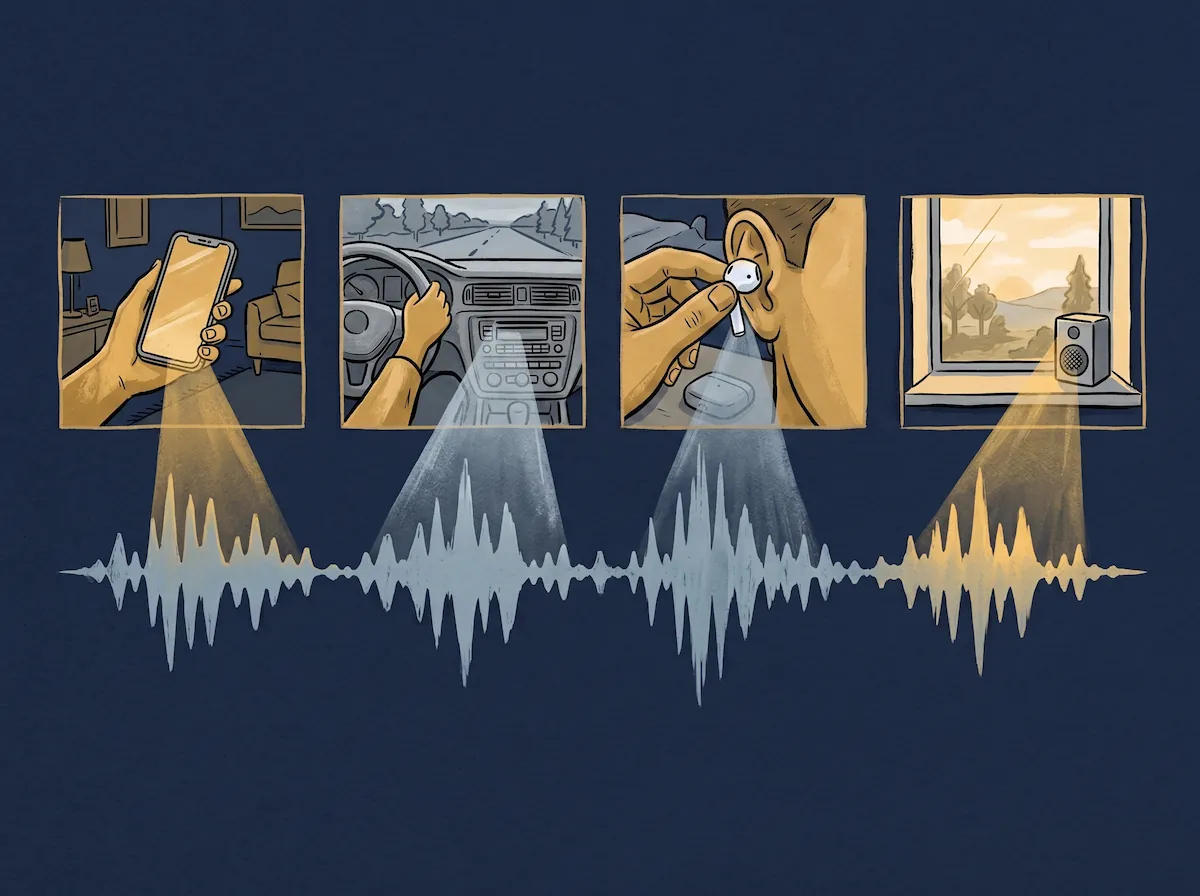
5. Separate the verdict from the room. End every mix cycle with translation checks the ego can’t argue with: the iPhone speaker, the car test, AirPods at low volume, and the next morning cold. A mix that survives four honest systems is done. A mix that only works on the monitors you tweaked it on is a rehearsal.
The audit habit that ties it together
Run the five separations as a checklist, and log the verdicts — what the references exposed, what the gain-match reversed, what the car killed. Two things happen. Your mixes improve immediately, because the system catches what your affection hides. And your self-knowledge compounds, because the log turns out to be a map of your personal biases: everyone over-loves something — their vocal rides, their low end, their reverb — and the log tells you your something within five songs. That’s the quiet endgame of mixing yourself honestly: the biases never disappear, but a documented bias is just a known offset. Compensate and ship.
The machine flood made competent mixes free, which means the self-mixed record’s edge is the one thing this whole framework protects: judgment that’s actually functioning. The producer who can hear their own work truthfully owns the rarest monitoring chain in the industry.