The Headphone-First Studio: The Must-Have Home Mixing Setup
Real translation from a treated room costs thousands — and your landlord will say no anyway. Here is the honest math of home mixing in 2026, and the exact setup that beats it: signed, tiered by budget, no affiliate links.

Let’s do the math nobody selling acoustic panels wants to do with you.
If you want to record vocals at home, your room needs very little — a couple of books on shelves, soft surfaces, a corner away from parallel walls. Fine. But if you want to mix at home — mix in a way that translates and genuinely sounds great — a loudspeaker room that tells the truth costs thousands in acoustic treatment, and done fully, tens of thousands. And if you’re in an apartment? It’s not happening. The landlord won’t allow the construction, the neighbors won’t allow the volume, and the physics won’t allow shortcuts.
So the only realistic way is the way I actually work: excellent headphones, corrected properly, checked against the real world. This isn’t the compromise path anymore. Done right, it’s the better path — my mixes translate, they come together faster, and the results show. Here’s the setup, tiered.
The reference tier — what I use
Steven Slate VSX (Platinum rooms — especially the new Desert Studios room) and Audeze LCD-X with Reveal+, the pairing from the Sovereign List. Between the VSX rooms for perspective and the Audeze chain for reference-class detail, I trust headphones in a way I never thought possible — and I keep my ears calibrated by listening on the same chain I mix on: Audirvana paired with Tidal at the highest definition, through Reveal+ and the LCD-X, so reference records and my sessions live in one corrected world. Full verdicts on both are in the List; the short version is that this tier delivers what a five-figure room promises, for a fraction of a fraction.
The budget tier — the honest minimum
Audio-Technica ATH-M50x plus Sonarworks SoundID Reference for Headphones. The M50x is the industry’s honest workhorse; SoundID flattens its curve so that what you mix on them translates the best way everywhere. That’s the entire trick of headphone mixing in one sentence: a known headphone plus correction equals a truthful monitor that fits in a backpack and costs less than one acoustic panel installation visit. If your budget stops here, your mixes don’t have to.
The reality checks — where mixes pass or fail
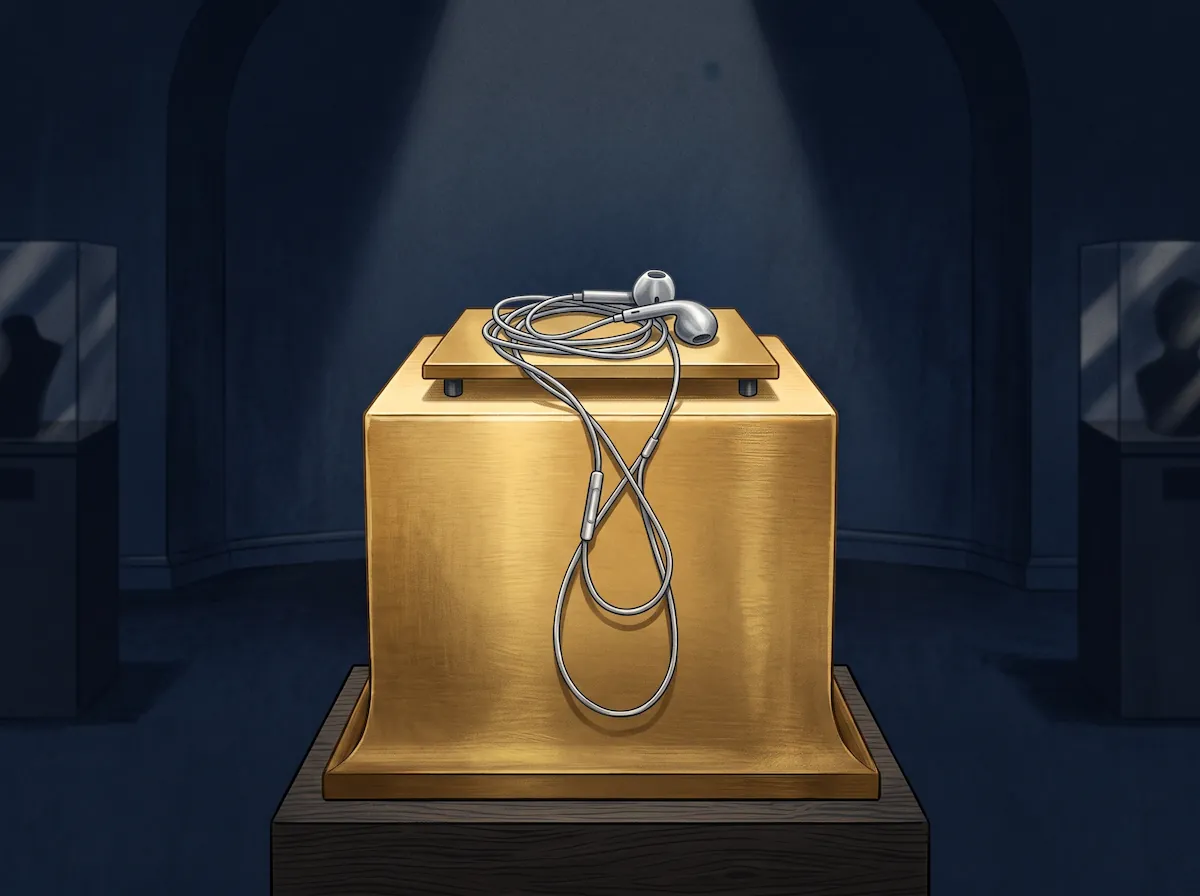
The AirPods test. Here’s a practice with documented pedigree: Zakk Cervini — the Grammy-nominated mixer behind records for Blink-182, Bring Me The Horizon, and a roster of modern rock’s biggest names — has spent years on record about mixing hit records on headphones and checking on Apple earbuds, using them to expose harsh frequencies and verify balance. He’s called headphone mixing the best thing he’s ever done. My version of the discipline: AirPods are my final check, every mix, no exceptions — because they’re the most popular headphones on earth, which makes them not a “consumer compromise” but the actual room your audience lives in. If a mix doesn’t pass the AirPods test, it’s a losing mix. If it passes the car test and the AirPods test, you’re in a pretty good place.
The car test stays in the rotation, as the translation framework prescribes. Two honest consumer systems plus one corrected reference chain: that’s the full monitoring truth a commercial mix needs.
The interface — yes, it matters
You need a great interface — it’s why I use Apogee — and here’s the part of my practice that surprises people: I keep more than one, because they print differently. When I want a mix to land punchy, clear, and crisp, I print through the Apogee Studio — their newest interface. When I want the sound lusher — more cinematic, more embellished — I print through the Symphony Desktop. Same session, different final character; the converter chain is the last instrument in the signal path, and choosing it deliberately is a mixing decision like any other.
And the Symphony Desktop remains my favored of the two, for reasons that matter specifically to this article’s setup: capabilities no other interface in its class has, a noise floor quiet enough that vocal recordings come back cleaner, and — the headphone-first detail — an excellent headphone amp: clear, powerful, and strong enough to properly drive power-hungry planar magnetic headphones like the LCD-X and get the most out of them. If your monitoring is planars, your interface’s headphone amp isn’t a spec-sheet footnote; it’s the engine of the whole chain. You don’t need two interfaces to start. You need one great one — and the knowledge that the box between your DAW and the world isn’t neutral.
The setup, summarized
| Tier | Monitoring | Correction | Checks | Interface |
|---|---|---|---|---|
| Reference | VSX Platinum (Desert) · LCD-X | Reveal+ (+ hi-res ear training) | AirPods + car | Apogee class, printed deliberately |
| Honest minimum | ATH-M50x | SoundID Reference | AirPods + car | One clean professional interface |
What you don’t need
Thousands in treatment — not for mixing, not anymore. A monitor-first dogma inherited from an era when headphones lied. Or permission from your building. The headphone-first studio is the great equalizer of this decade: the truth used to cost a room; now it costs a chain. Build the chain.
The Sound Desk: The Sovereign List · Mixing Yourself Without Lying to Yourself · Mastering Loudness in 2026