Provenance & IP · The IP Matrix · The Ghost
The Ghost: The Creator That Owns Nothing
Prompt in, master out, nothing registrable in between. The Ghost is the fastest way to make music in history — and the platforms just named it their enforcement target.

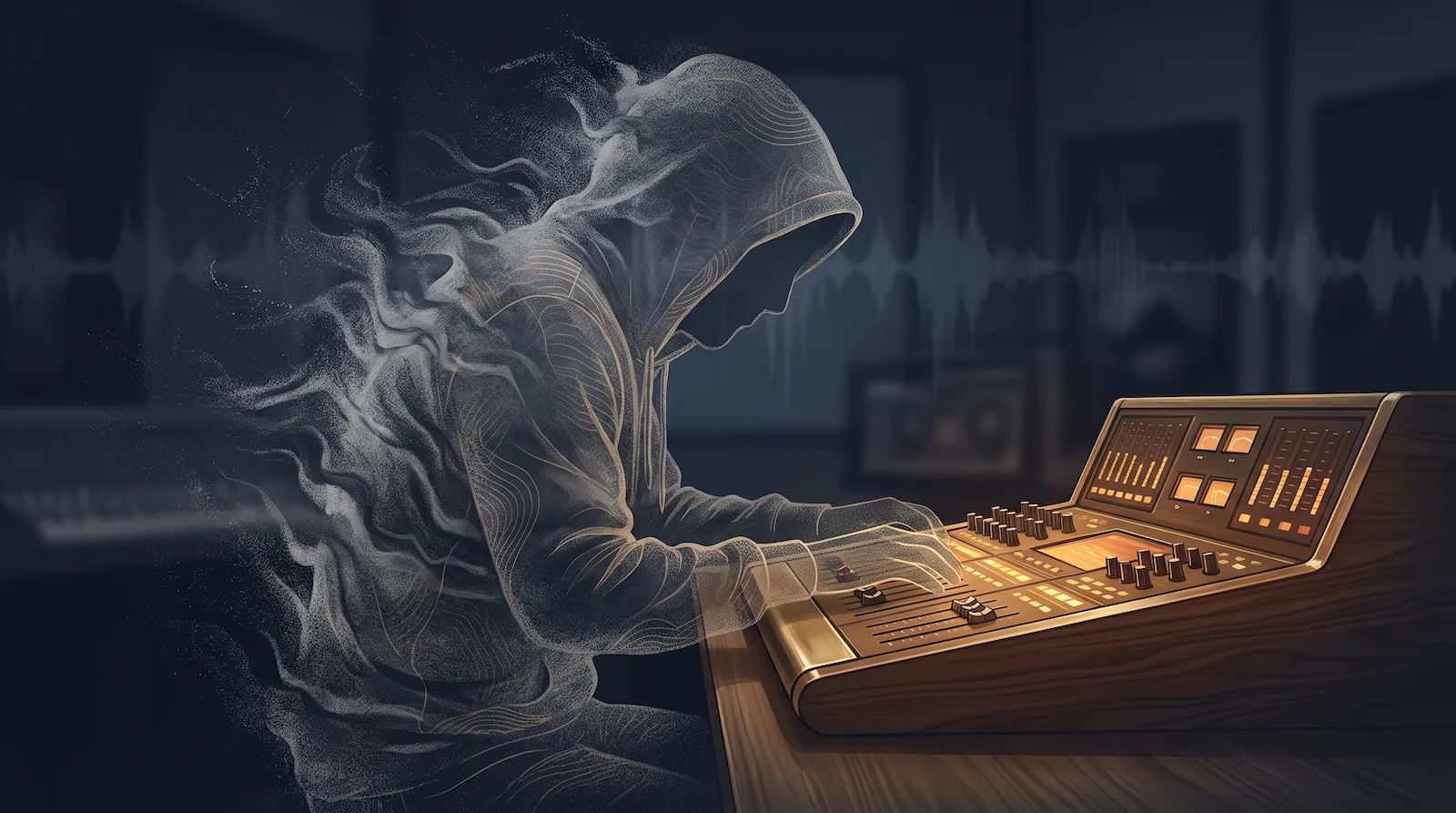
The Ghost is Tier 1 of the IP Matrix: a workflow where the final record is generated entirely by a machine. The human provides the prompts, the taste, and the curation — but no registrable expression.
Under U.S. copyright law, a Ghost track is a dead end. The Copyright Office has been unambiguous: prompts are instructions, not authorship. No amount of iterative prompting converts a machine’s output into a human’s intellectual property. A Ghost catalog is music you can stream, but music you can never own.
Read that again, because the market spent two years pretending it wasn’t true. “Sweat of the brow” arguments — I spent forty hours refining the prompt — have been rejected outright. The examiner asks one thing: is human-authored expression perceptible in the work? In a pure generation workflow, it isn’t. The result: zero copyright, zero exclusive rights. Anyone can copy, re-release, or monetize a Ghost track, and its maker has no infringement claim to bring. Whatever a Ghost catalog earns, it earns on borrowed time and unprotected ground.
What changed this month
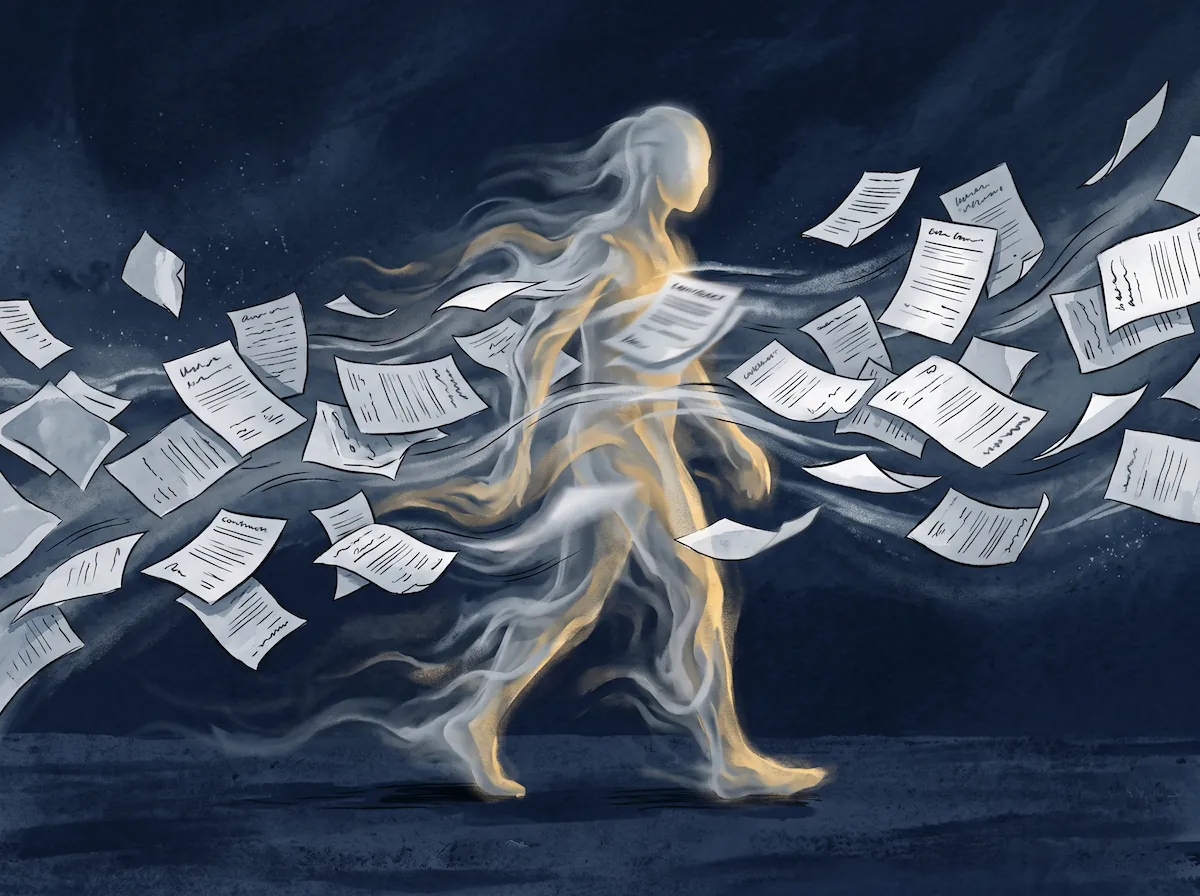
The Ghost’s economics used to fail slowly. Now they fail in public.
On August 2, 2026, Article 50 of the EU AI Act became fully enforceable, imposing machine-readable disclosure obligations on AI-generated content reaching EU audiences. Four days later, Suno announced durable, tamper-resistant watermarking and fingerprinting of its generated songs — and previewed a downloads policy aimed at limiting mass distribution of generated tracks to streaming. Spotify wiped tens of millions of spam tracks in a single year. Bandcamp deletes on suspicion. Distributors now interrogate AI use at the upload gate.
None of this makes the Ghost illegal. It makes the Ghost legible — permanently identifiable to every machine it touches — and everything downstream treats legible generation as inventory to be quarantined, not catalog to be paid.
When the Ghost is the right tier
Here is the truth most AI commentary refuses to say: the Ghost tier is perfectly fine — for what it’s actually for. It is a scratchpad. Sketching, reference tracks, testing the shape of an idea before you burn studio hours. Treating it as a sketchpad costs you nothing.
The Ghost only becomes a tragedy when it’s mistaken for a business. A Ghost release strategy is a sandcastle: real effort, real output, zero foundation — no copyright beneath it, an unremovable watermark baked inside it, and a platform policy hanging above it written specifically to wash it away. The producers getting crushed this month aren’t the ones using generation; they’re the ones who built entire catalogs on it without knowing they were standing in Tier 1.
The rest of the Matrix exists to answer a single question: how much of the machine’s speed can you keep while still owning the asset? Every tier above the Ghost is a different negotiation. The complete answer is The Bionic Virtuoso, where the machine provides the blueprint but never touches the final master.