Provenance & IP · The IP Matrix (franchise anchor) Editor's Pick
The IP Matrix: 7 Tiers of Music Ownership in the AI Era
Every AI-era workflow lands somewhere between a sandcastle and an empire. Here is how to know exactly what you own, what you don't, and what it's going to cost you.


I. What the Matrix is for
The music industry is undergoing The Great Bifurcation. In an economy where platforms actively fingerprint synthetic audio and copyright law exclusively protects human expression, the way you make a record determines whether you own an asset or a liability.
The IP Matrix is our classification system for music produced in the AI era: seven tiers of workflow, ranked by how much of the final master a human can legally claim, defend, and monetize. Your tier is not determined by how the music sounds — records from different tiers can be indistinguishable to the ear. Your tier is determined by how it was built: what you authored, what the machine generated, and what survived into the final bounce.
The most expensive mistake a modern producer can make is discovering too late that their catalog was never legally ownable to begin with. Between copyright law and algorithmic platform enforcement, every workflow choice you make is a property decision.
I will tell you exactly why this matters to me, and it goes far beyond academic legal theory. I want my catalog landing premium sync licensing placements. I want every track to be a legally defensible asset, generating royalty revenue for decades.
But there is a deeper, colder truth: in the high-level music industry, your reputation often outweighs your talent. The moment your trust is compromised, the callbacks stop. You are permanently locked out of the room. This is a violently small business — eventually, you realize everybody knows everybody.
Show up to a music supervisor or A&R with a synthetic, unregistrable Ghost catalog you cannot legally defend, and that liability becomes your permanent identity. The IP Matrix is how you show up future-proof, bulletproof, and professional. It is the operational framework that ensures you are fluent in the exact conversation the rest of the industry is about to have.
Choose your tier.
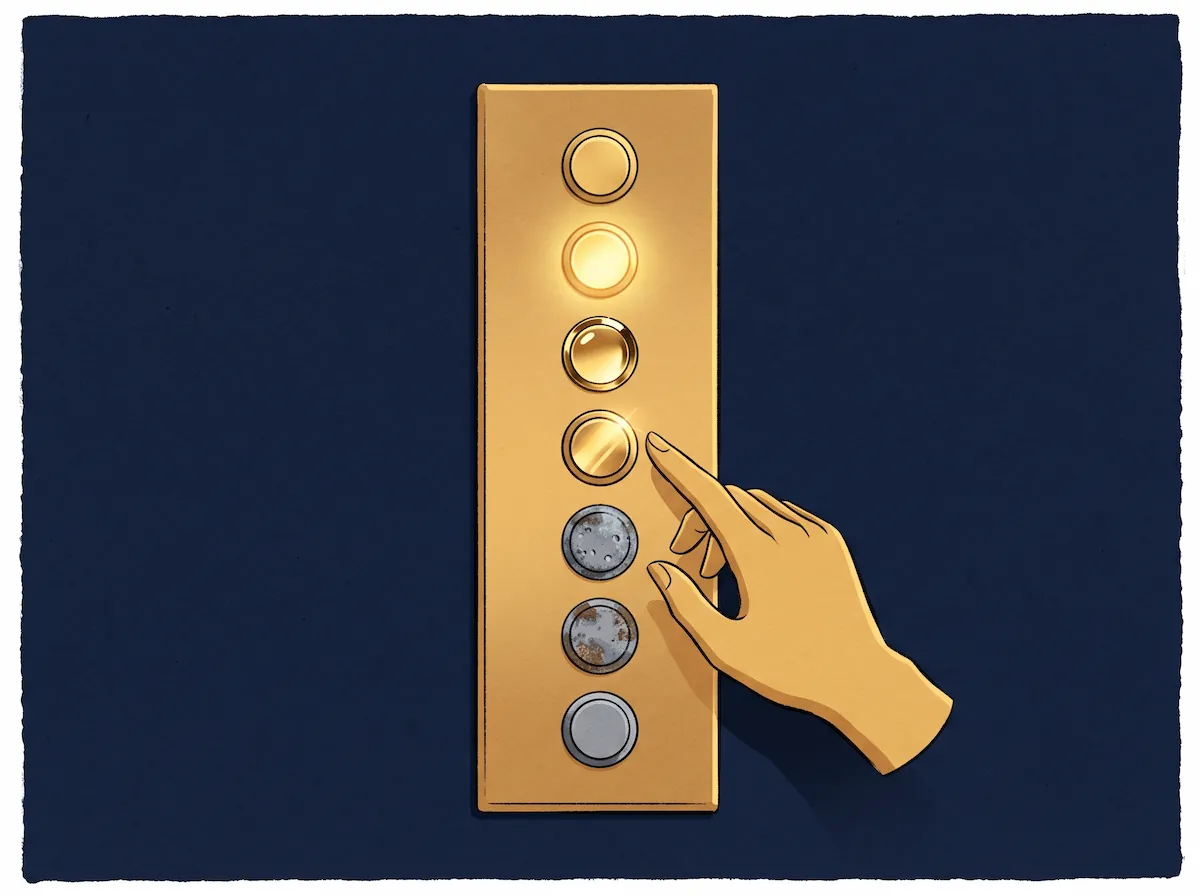
II. The seven tiers of sovereign ownership
| Tier | Name | The workflow | What you actually own | Distribution & platform reality |
|---|---|---|---|---|
| 1 | The Ghost | Pure AI generation. Prompt in, master out. | Nothing. Unregistrable. | Watermarked everywhere; the platforms’ stated enforcement target. |
| 2 | The Lyricist | Human words, machine music. | The lyrics as a literary work — not the recording, not the composition. | AI-labeled distribution. |
| 3 | The Composer | Human composition (melody, harmony, structure), machine-rendered audio. | The underlying composition (publishing) — not the sound recording (master). | AI-labeled distribution. |
| 4 | The Alchemist | Machine output as raw material, transformed by human selection, arrangement, and editing. | The transformative layer — selection, coordination, arrangement — with AI material excluded from the claim. | Case-by-case; surviving AI audio remains fingerprintable. |
| 5 | The Maestro | Human-directed hybrid: human performance and machine elements side by side. | The human-performed and human-authored elements; the machine share is excluded. | Mixed masters carry the AI-stem restriction and algorithmic suspicion. |
| 6 | The Synthesist | Substantially human record in which identifiable AI stems survive into the final master. | Everything human — but the surviving stems cap the record’s distribution status. | Capped: social-only, or the platform AI label on streaming. |
| 7 | The Bionic Virtuoso | AI as pre-production only. Every sound in the master re-performed by humans. | The entire empire: 100% of the composition and the sound recording. | Limitless. Unlabeled, watermark-proof — nothing synthetic exists to flag. |

III. How to read the Matrix: the Line of Death
The Matrix is a decision framework, not a purity test. Every tier is a legitimate way to make music, provided you understand the invoice. We teach all seven with their costs fully disclosed, because the tragedy isn’t choosing a lower tier — it’s choosing one blindly. A Ghost track made for fun on a Tuesday costs nothing. A Ghost catalog built as a retirement plan is a sandcastle with a mortgage.
The most critical boundary in the modern industry runs between Tier 6 and Tier 7. Below that line, synthetic audio survives into the final deliverable — something exists to be fingerprinted, labeled, and algorithmically restricted. Above it, nothing does. That line used to be a philosophical debate. As of August 2026, it is a technical reality: watermarking algorithms do not care about your artistic intent.
Distribution doctrine follows the audio, not the intent. If AI-generated stems survive into your master, the record’s ceiling is social platforms — or streaming with the platform’s AI label attached to your work. This is the direction the platforms themselves have now stated publicly; the Matrix simply prices it into your business model before you hit record.
IV. The Matrix at the workbench: five real sessions, classified — a working masterclass
(The Editor’s Pick depth standard in action: the table above, run against the messy sessions producers actually have. Classification is a skill; here is the practice.)
Session one: “I generated the whole track, then replaced the vocal with my own.” One human performance atop a generated instrumental. The vocal is yours — performed, ownable, real. The track underneath is machine audio surviving wholesale into the master. Classification: Maestro (Tier 5) — human and machine elements side by side, your claim covering your performance and authorship, the machine share excluded — and the surviving instrumental keeps the record inside the label lane →. The common misread is calling this Bionic “because the important part is human.” The Matrix doesn’t weigh importance; it reads the bounce.
Session two: “The AI wrote the melody; I played every note myself.” Inverted case: machine ideas, zero machine audio. Every sound in the master came from your hands — but the melodic authorship question is live, and honesty in the Machine Log → is what makes your claim clean: your performances, arrangement, and production are yours; the melody’s provenance gets documented, and the transcription discipline → is what converts suggestion into commanded, edited, human composition. Classification: Bionic territory (Tier 7) — if the transcription layer genuinely happened. A hummed transposition of the machine’s line is a weaker fact pattern than a charted, altered, re-harmonized one. The tier is earned in phase two, not claimed at the bounce.
Session three: “It’s all me except the drums — I kept the generated loop because it slapped.” The classic single-survivor case. One generated stem, however small, in an otherwise human record. Classification: Synthesist (Tier 6) — everything human is yours, and the one loop caps the record’s distribution status at the doctrine’s ceiling →. This session is the Matrix’s best teaching case because the delta is so cheap: one afternoon re-programming that loop, velocity by velocity, moves the record from Tier 6 to Tier 7 — from capped to limitless. Price the afternoon against the ceiling. That arithmetic is the whole Matrix in miniature.
Session four: “I chopped generated stems into something completely unrecognizable.” The Alchemist’s home game — machine output as raw material, transformed by selection, arrangement, and editing. Classification: Alchemist (Tier 4), with the honest costs attached: your transformative layer is real and claimable; the source material stays excluded from the claim, and unrecognizable to you is not unfingerprintable to a scanner — transformation changes what you own, not necessarily what detection finds →. The Alchemist who documents the transformation chain owns their layer defensibly; the one who assumes chopping magically launders provenance is a Synthesist who hasn’t been scanned yet.
Session five: “I used AI mastering.” The relief case: assistive processing of fully human material — AI mastering, smart mix analysis, spectral stem cleanup — generates nothing; it processes what you authored. Classification: no tier movement at all. The Matrix classifies generation surviving in the master, not machine assistance around it. A Bionic record mastered with an AI algorithmic limiter is still a Bionic record. (Disclosure fields may still ask; answer what the tool did, accurately — assistive processing is a different question than generative audio, and the distributor forms distinguish them →.)
The classification habit to steal: every session, one line in the log per track — origin: human / generated / transformed — written at creation. Classification then takes sixty seconds at the final bounce and is never a frantic reconstruction. The producers who get surprised at upload gates are not the ones in low tiers; they are the ones who never wrote the line.
And the honest counterpoint — because the standard requires it: most producers will never be asked their tier by anyone, and the classifications above have no legal force of their own — the Matrix is this publication’s framework, not a statute. Both true. The framework’s value is precisely that it front-runs the systems that do have force: the registration questions, the distributor interrogations, the platform scans all ask Matrix-shaped questions in their own rigid vocabularies. Learn the framework and every official form becomes a translation exercise. Skip it and each one is a fresh surprise, arriving after the work is done.
V. Why seven tiers and not two
The obvious objection to this framework is that it has too many rungs. If the only thing that ultimately matters is whether generated audio survives into the master, why not a binary — clean or not clean — and skip the taxonomy?
Because a binary would be accurate and useless, and the distinction is worth understanding if you want to use this framework rather than merely agree with it.
A binary tells you where you stand. A ladder tells you what it costs to move. The five middle tiers exist because they are the positions producers actually occupy, and each one has a specific delta to the next — a named, priceable amount of work that changes what you own. A Synthesist is one afternoon of re-programming from the summit. A Maestro carrying a full generated instrumental is a much longer walk. A Composer who owns the song but not the recording has a completely different problem — and a completely different solution — from an Alchemist whose transformation layer is real but whose source material is excluded.
Collapse all of that into “clean or not clean” and every one of those producers gets the same advice, which is why most commentary on this subject is useless to the person receiving it.
Second reason: the ladder is a map of value, not virtue. Each tier names precisely what you hold — composition only, recording only, transformation layer only, everything — and the market prices those differently. Knowing you’re a Composer is not a moral judgment. It tells you your publishing is intact and your master is compromised, which is a strategic fact with strategic responses: license the composition, re-record the master, or price the record accordingly and move on.
Third reason, and the one that matters most in practice: a binary invites lying. When the only options are clean and dirty, the pressure to claim clean is enormous, and the disclosure fields → are where that pressure becomes a permanent record with your name on it. A seven-tier framework gives an honest producer somewhere accurate to stand. Nobody has to pretend to be Bionic when Synthesist is a legitimate, describable, defensible position — which is exactly the point of teaching all seven with their costs disclosed.

VI. Tier drift: how records move down the ladder without anyone deciding
Nobody sets out to make a Ghost record. The Matrix’s real utility isn’t classifying finished work — it’s catching the drift that reclassifies your work while you’re busy.
Four common drift patterns, all of which end with a producer discovering their tier at the upload gate instead of choosing it in the session.
Drift one: the placeholder that stayed. You drop a generated pad in as a reference, intending to replace it. Four weeks and thirty decisions later, everything else was built to sit around that pad, and removing it now means re-balancing the entire arrangement. The placeholder became load-bearing. The fix costs nothing and must happen immediately: color-code or name every temporary element as temporary the moment it enters the session — TEMP_pad, red, muted-solo group. Not later. The version of you that remembers is the version that put it there.
Drift two: the deadline compression. Everything was going to be re-performed. Then the client moved the date, and re-performing the backing vocals became the thing that got cut. This is the most common drift in professional work, and it is a scheduling failure rather than a discipline failure — which means the fix is scheduling: re-performance is not the last phase, it’s the middle one. Put it before mixing in your project plan, where it can’t be squeezed by a deadline that only ever eats the end of the timeline.
Drift three: the forgotten stem. The record went through five arrangement passes. Somewhere in pass two, a generated element got buried under three other parts, and by pass five nobody remembers it’s in there. It is inaudible as itself and completely present in the file. This is what the verification pass → exists to catch, and it is why the pass is a solo-every-track exercise rather than a memory exercise. Memory is not evidence, and at this tier it isn’t even reliable.
Drift four: the collaborator’s contribution. Someone sent you a stem. You don’t actually know how they made it. This is the drift nobody talks about and it will become the dominant one within a few years, because your tier is now downstream of their workflow and their honesty. The fix is a sentence in your intake process: ask, in writing, whether any generated audio survives in what they’re sending. Not as an accusation — as the same question a mix engineer asks about sample rate. Normalize it early and it stops being awkward.
The pattern under all four: tier is decided by dozens of small moments across weeks, and only classified at the end. Producers who think of the Matrix as a label they’ll apply later are the ones who get surprised. Producers who think of it as a running state they’re maintaining are the ones who choose.
VII. The honest counterpoint
Three, at full strength.
1. This framework has no legal force whatsoever. The Matrix is this publication’s model, not a statute, not a standard, and not something any registrar, distributor, or court recognizes by name. Nobody will ever ask you what tier you’re on. The value is entirely instrumental: the framework front-runs the systems that do have force — registration questions, distributor interrogations, platform scans — by making you fluent in the distinctions those systems care about before they ask. Learn it and every official form becomes translation. Skip it and each one is a surprise arriving after the work is done.
2. The tiers will need revision, and this desk will publish the revisions. The framework was built against the current state of detection, disclosure, and registration practice. All three are moving. If detection becomes able to identify machine influence rather than machine audio, or if registration practice shifts on hybrid works, some of these tier boundaries move. We would rather publish a framework that requires updating than a vaguer one that never has to be wrong — and per the scorecard doctrine →, the revisions will be graded in public, on this page.
3. There is a real argument that this is all overthinking. Plenty of working producers use generative tools casually, disclose nothing, and are fine — and will remain fine for years. The honest response isn’t that they’re wrong about the present. It’s that they’re describing a risk position, not a strategy, and the difference only becomes visible when something is actually worth money. If your catalog is disposable, the Matrix is overhead. If any part of it is permanent, the framework costs an afternoon to learn and answers questions that get expensive later.

VIII. Proof is your greatest asset
Your tier must be provable — in both directions. The exact documentation required to register a hybrid work honestly (disclosing and excluding machine material) is what certifies a Tier 7 record as fully human. That documentation system is the Provenance Dossier →. It is how a tier stops being a fragile claim and becomes a defensible asset.
Start at the extremes: understand the fatal flaws of The Ghost →, and the total control of The Bionic Virtuoso →. Everything in between is a negotiation with your sovereignty.