Recession Pop and the Mood Economy: What Audiences Will Actually Pay For
Genre loyalty is dying; mood is the new format. The Blueprint's consumer-psychology chapter explains why your listeners treat music as a utility — and what a working producer should build because of it.

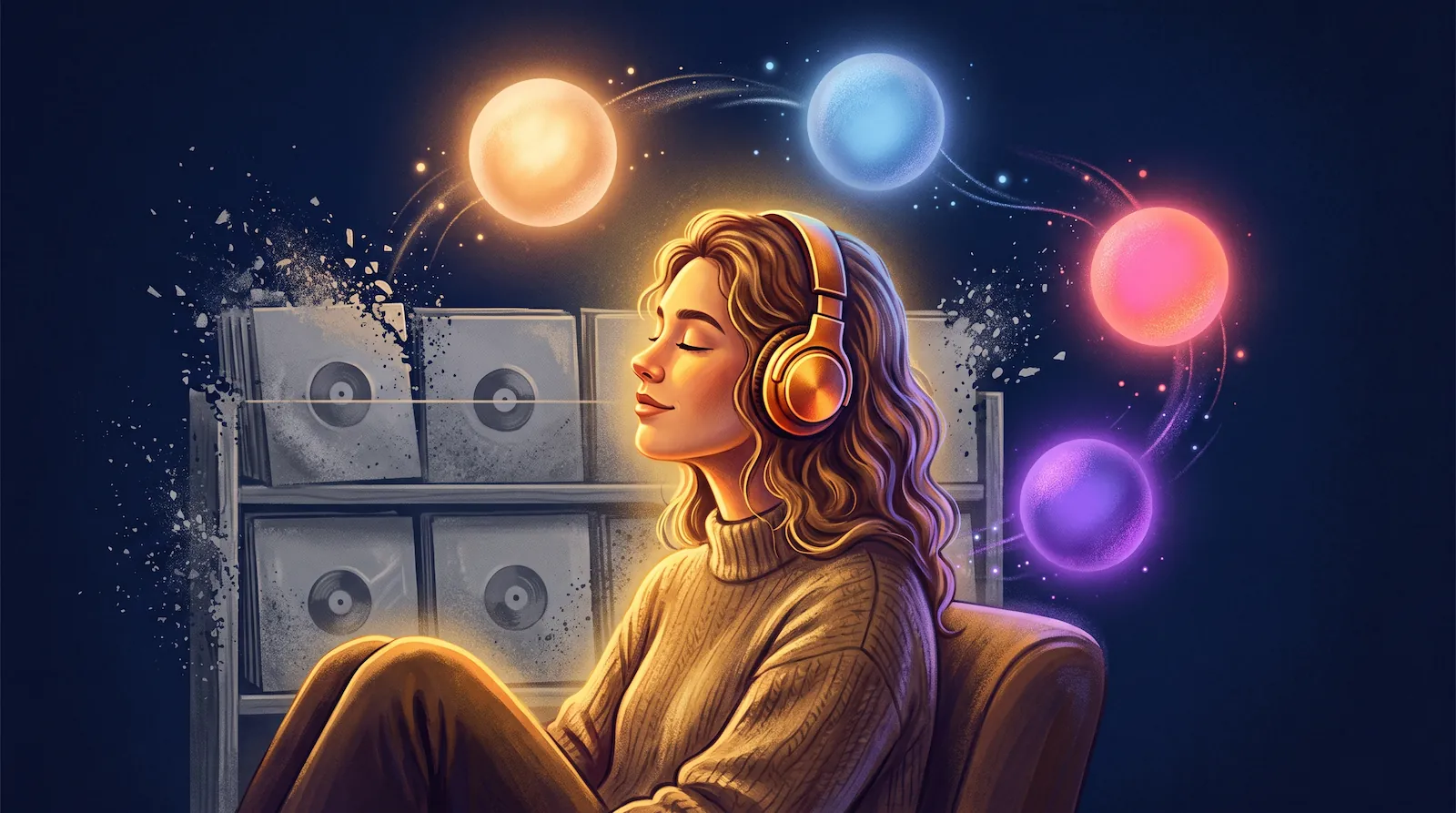
The Blueprint’s consumer-psychology chapter made two forecasts about the demand side of the market, and both are the kind you can build a release strategy on.
The first: Recession Pop. Drawing on the “Sonic Horizon” strategic forecast, the report projected a rise in high-energy, escapist dance music as the cultural response to mid-2020s economic anxiety — the same pattern that powered the 2008–2012 era, when downturns fueled demand for hedonistic, up-tempo release. When wallets tighten, human ears want the exact opposite of the news. For a producer, this isn’t trivia; it is a direct creative brief. The market’s emotional assignment for the next several years is relief.
The second, and deeper: mood-based consumption. The report found Gen Z and Alpha shifting fundamentally away from genre loyalty toward music as a functional tool — emotional regulation, companionship, focus, productivity. Nobody under twenty-five is “a rock person” the way their parents were; they are a 3 a.m.-night-drive-playlist person, a deep-work-focus-mix person. Audio consumption is organizing around states, not styles.
What the mood economy rewards — and what it commodifies
Read cynically, the mood economy is an automation opportunity: infinite variations of focus music and workout beats at near-zero marginal cost, exactly the content AI generates best. The Blueprint said so plainly, and the synthetic pole took the advice — that flood is precisely the inventory platforms are now watermarking, purging, and policy-restricting by the tens of millions of tracks. Functional background audio was the first territory the machines fully commoditized, and it’s the territory where generated inventory faces its enforcement squeeze. If your plan was passive mood-library volume, the window the Blueprint identified is now a gate.
Read strategically, the mood economy points somewhere better. Mood-based listening doesn’t lower the bar for human music — it reframes the assignment. The producer who understands that a record’s job is a felt state — relief, tension, momentum, 3 a.m. — writes, arranges, and mixes toward that state deliberately. Emotional specificity is exactly what generic generation lacks and exactly what the mood economy pays attention to. The machine can make “chill.” It cannot make your chill — the one with a human fingerprint and a name attached to it.
The working producer’s brief
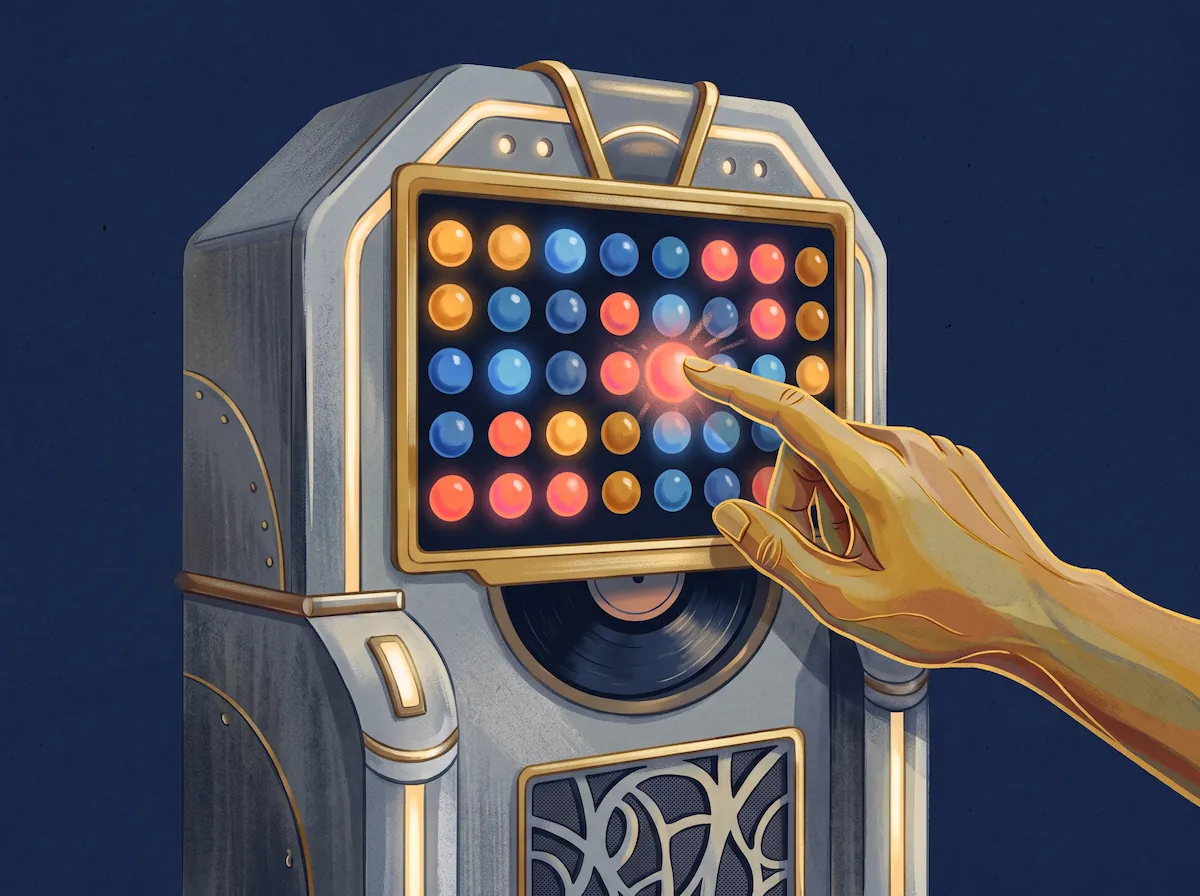
Three durable takeaways from the chapter, updated one year on. Program to states, not genres: playlisting, release framing, and sync pitching all convert better in mood language, because that’s the language the demand side already speaks. Ride the escapism cycle knowingly: the Recession Pop thesis is a tailwind for high-energy work right now — a reason to sequence the up-tempo material forward. And if you build functional catalog, build it ownable: the mood-library sync play the Blueprint described still works as a revenue stream — but in the watermark era it only compounds if the library is human-performed and provable. A generated mood catalog is inventory in the enforcement pool; a Bionic one is licensable property in a market suddenly desperate to certify the difference.
The audience told the Blueprint what it wants: a feeling, on demand, from someone real. Two of those three are now automated. The third is the career.